
Choosing the right Infant Car Seats is one of the most important decisions new parents make. From the first ride home to daily errands across California, your baby’s safety depends on a well-designed seat that meets strict safety standards and fits your lifestyle. At Kids N Cribs, families can find trusted solutions that combine security, comfort, and compatibility with modern travel systems.
Parents in California, United States often balance safety requirements with convenience. Busy highways, long commutes, and family road trips make dependable car seating essential. While many parents focus on nursery design and high-quality baby furniture, travel safety deserves equal attention. This guide explains what to look for, how to compare options, and why thoughtful selection matters for growing families.
Why Infant Car Seats Matter for New Parents
An infant’s body is delicate, especially during the first year. Properly engineered Infant Car Seats are designed to support the head, neck, and spine while absorbing impact in case of sudden stops or collisions. Unlike convertible models, infant seats are specifically built for newborns and smaller babies, offering a snug fit and rear-facing design.
Rear-facing positioning significantly reduces the risk of injury. According to pediatric safety experts, babies should remain rear-facing as long as possible within manufacturer weight and height limits. High-quality padding, adjustable harness systems, and impact protection technology all contribute to safer travel experiences.
For parents driving through California’s diverse road conditions—from urban freeways to coastal highways—consistent safety performance is essential. Choosing the right seat ensures peace of mind every time you buckle up.
Best Features to Look for in Infant Car Seats
When comparing Infant Car Seats, it helps to understand which features truly matter. Not all models offer the same level of protection or convenience.
1. Advanced Side-Impact Protection
Look for seats designed with reinforced side panels or energy-absorbing foam. These systems help shield your baby during side collisions, which are among the most dangerous types of accidents.
2. Five-Point Harness System
A five-point harness distributes crash forces across the strongest parts of your baby’s body. Adjustable harness heights ensure a secure fit as your baby grows.
3. Easy Installation Systems
Many seats include base systems with latch connectors or clear installation indicators. Proper installation is critical—an incorrectly installed seat cannot provide full protection.
4. Lightweight and Portable Design
Infant seats are designed for portability. Lightweight frames allow parents to move the seat from car to stroller without disturbing a sleeping baby.
5. Compatibility with Travel Systems
Some models integrate with compatible strollers, making errands smoother and reducing the need to transfer your child between devices.
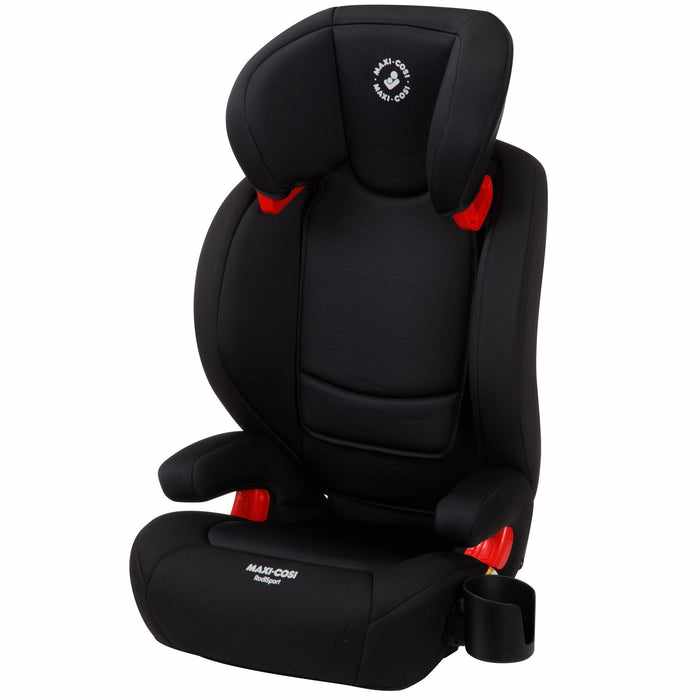
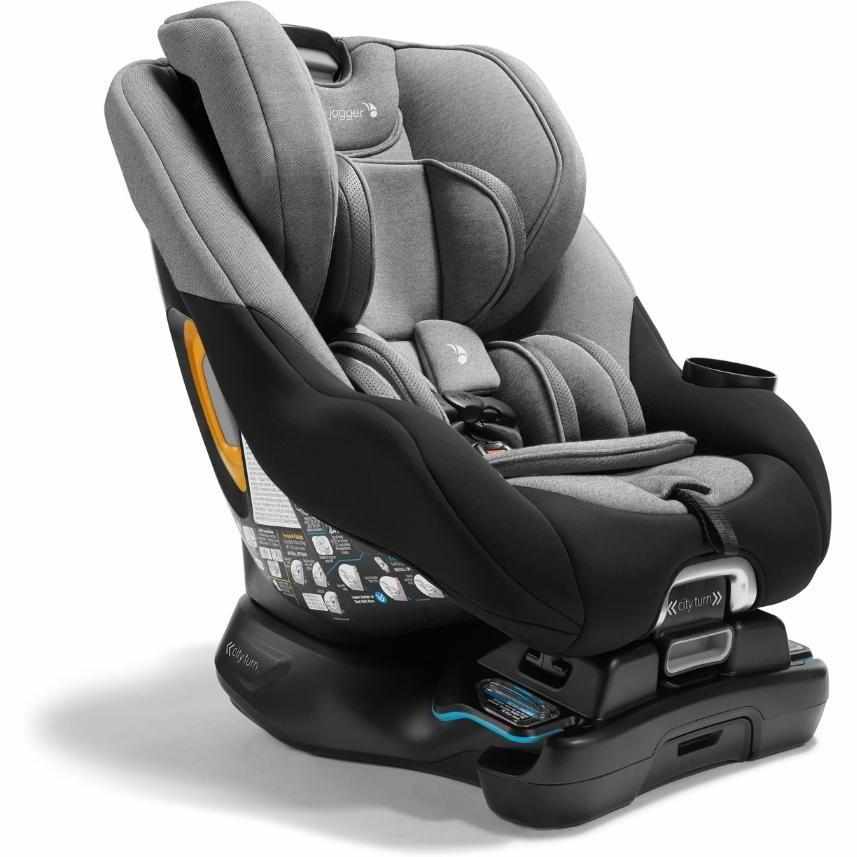
One example many parents search for is Premium infant car seats with advanced safety features, which combine reinforced frames, ergonomic support, and user-friendly installation systems.
How to Choose the Right Infant Car Seat for Your Lifestyle
Every family’s routine is different. Some parents commute daily; others travel occasionally. When selecting Infant Car Seats, consider these practical factors:
Vehicle Size: Compact cars may require narrower seat designs.
Frequency of Travel: Daily drivers benefit from easy-click base systems.
Climate Considerations: Breathable fabrics are helpful during California’s warmer months.
Future Growth: Check weight and height limits to ensure extended use.
Matching your seat to your daily routine helps avoid inconvenience while maintaining high safety standards.
Where Infant Car Seats Fit into a Complete Nursery Plan
Parents often focus heavily on crib styles, storage solutions, and décor. However, travel safety equipment is just as important as nursery planning. Many families shopping for high-quality baby furniture also look for coordinated travel gear that complements their lifestyle.
While nursery pieces remain stationary, car seats move with your child everywhere. That mobility makes durability and quality construction even more important. Reliable materials, tested safety standards, and manufacturer transparency should guide your purchase.
At Kids N Cribs, families can browse options that align with both travel needs and home essentials, helping create a complete setup for new arrivals.
Why Safety Standards Matter in California, United States
California has strict child passenger safety laws. Infants must ride in rear-facing seats until at least age two, unless they exceed weight or height limits sooner. Choosing certified Infant Car Seats ensures compliance with federal and state regulations.
Look for seats that meet or exceed Federal Motor Vehicle Safety Standards (FMVSS 213). Reputable retailers provide product details outlining certification and testing.
In addition to meeting standards, regular inspection and correct installation are critical. Many local fire stations and safety organizations offer free installation checks for new parents.
Top Benefits of Investing in Quality Infant Car Seats
Parents sometimes compare budget-friendly models with premium options. While affordability matters, safety and reliability should remain the priority.
Here are long-term advantages of investing in well-built Infant Car Seats:
Greater crash protection performance
Improved comfort for long drives
Adjustable features for longer usability
Better fabric durability and easy cleaning
Enhanced resale value if permitted by safety guidelines
Choosing reliable travel gear often prevents costly replacements later.
How to Install Infant Car Seats Correctly
Proper installation plays a major role in performance. Even the best-designed Infant Car Seats cannot protect your baby if installed incorrectly.
Step-by-Step Installation Tips:
Read both your vehicle manual and seat manual thoroughly.
Position the base flat against the vehicle seat.
Secure using LATCH connectors or seat belt routing.
Ensure the correct recline angle using built-in indicators.
Check for tightness—there should be minimal movement at the base.
After installation, confirm that the harness fits snugly over your baby’s shoulders without slack.
When to Transition from Infant Car Seats
Infant seats are typically designed for babies up to 30–35 pounds, depending on the model. Signs it may be time to transition include:
Baby exceeds height or weight limits.
Head extends above the seat shell.
Harness no longer adjusts comfortably.
Transitioning usually means moving to a convertible car seat that remains rear-facing initially.
Maintaining and Cleaning Infant Car Seats
California families often travel with snacks, bottles, and outdoor gear. Cleaning and maintenance keep Infant Car Seats safe and hygienic.
Use manufacturer-approved cleaning solutions.
Avoid harsh chemicals that weaken materials.
Check straps regularly for fraying.
Inspect expiration dates—most seats expire after six to ten years.
Routine checks help maintain long-term safety.
How Infant Car Seats Support Peace of Mind
Beyond compliance and convenience, well-designed Infant Car Seats offer something invaluable—confidence. Whether heading to a pediatric appointment or driving along California’s scenic routes, parents gain reassurance knowing their baby is protected.
Pairing travel safety with reliable home essentials like high-quality baby furniture helps families build a secure environment both inside and outside the home.
Frequently Asked Questions (FAQs)
1. How long should my baby use infant car seats?
Most babies use them until reaching manufacturer height or weight limits, usually within the first year.
2. Are rear-facing seats required in California?
Yes. California law requires children under two to ride rear-facing unless they exceed limits sooner.
3. Can I use a secondhand infant car seat?
Only if you are certain it has never been in an accident and has not expired.
4. How tight should the harness be?
The harness should pass the “pinch test”—you should not be able to pinch slack at the shoulder.
5. Do all infant car seats fit every vehicle?
No. Always check compatibility with your specific vehicle model.
6. What is the safest installation method?
Both LATCH and seat belt systems are safe when used correctly. Follow manufacturer instructions.
7. How often should I check the installation?
Check regularly and after any major vehicle adjustments.
8. When should I replace an infant car seat?
After any accident, upon expiration, or if damaged.
9. Are travel system bundles worth it?
They can be convenient for frequent travelers who want stroller compatibility.
10. Where can I find reliable options?
Parents can review tested and compliant models through reputable retailers like Kids N Cribs.


Write a comment ...