
Choosing the right Booster Car Seats is one of the most important decisions for parents who want both safety and comfort for their growing children. With Good Friday 2026 approaching, many families are looking for reliable options that fit their budget while still meeting safety standards. This guide explains everything you need to know before buying, along with helpful tips tailored for families in Pleasant Hill, California.
Why Booster Car Seats Matter for Growing Kids
As children outgrow forward-facing car seats, booster seats become the next essential step. They are designed to properly position the seat belt across a child’s body, reducing the risk of injury during sudden stops or accidents.
Unlike standard seats, Booster Car Seats raise the child to a height where the vehicle’s seat belt fits correctly across the chest and lap instead of the neck or stomach. This positioning is critical for safety and long-term comfort.
Parents often delay switching, but using a booster at the right stage ensures your child is protected during every ride, whether it’s a short school trip or a long drive.
Types of Booster Car Seats You Should Know
Before making a purchase, it’s important to understand the different types available:
1. High-Back Booster Seats
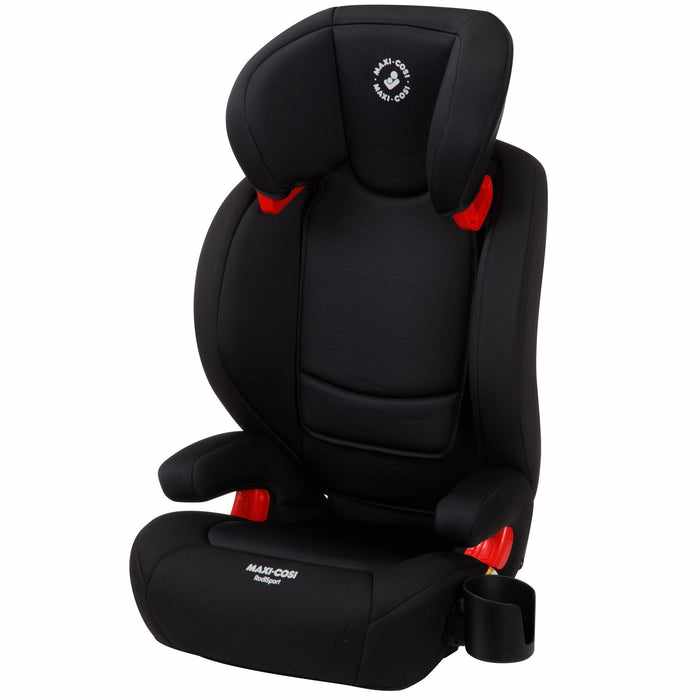
These provide head and neck support and are ideal for vehicles without built-in headrests. They also offer side-impact protection, making them a preferred choice for younger children transitioning from harness seats.
2. Backless Booster Seats
Lightweight and easy to transfer between vehicles, these are suitable for older kids who no longer need upper body support.
3. Combination Booster Seats
These can convert from a harnessed car seat to a booster, offering extended usability and value.
Each type serves a purpose, so your decision should depend on your child’s age, height, and your vehicle setup.
Key Safety Features to Look For
Safety should always come first when selecting Booster Car Seats. Here are the features that truly matter:
Side-impact protection for added safety during collisions
Adjustable headrests to support growth
Secure belt positioning guides
LATCH system compatibility for stability
Durable materials tested under safety regulations
Parents should always check for compliance with U.S. safety standards to ensure peace of mind.
Comfort and Convenience for Daily Use
Comfort is just as important as safety, especially for daily travel. A well-designed booster seat should offer:
Cushioned seating for longer rides
Breathable fabric to reduce heat buildup
Easy-to-clean covers for busy families
Lightweight design for portability
For families in Pleasant Hill, where commuting and short drives are common, comfort features can make a noticeable difference in daily routines.
When Should You Switch to a Booster Seat?
Most children are ready for booster seats between ages 4 and 7, depending on their height and weight. A general guideline is:
Minimum weight: around 40 pounds
Ability to sit properly without slouching
Seat belt fits correctly across shoulder and lap
Switching too early or too late can compromise safety, so always follow recommended guidelines.
Good Friday 2026: A Smart Time to Buy
Seasonal sales like Good Friday 2026 provide a great opportunity to invest in quality safety products. Many parents wait for these events to purchase Booster Car Seats at reduced prices without compromising on quality.
Shopping during this time allows families to compare features, read reviews, and choose the best option that fits their needs and budget.
Budget-Friendly Options That Still Deliver Quality
Parents often worry about balancing cost and quality. Fortunately, there are many affordable options that meet safety standards.
If you are searching for affordable Booster Car Seats for children, focus on brands that prioritize safety certifications and durability rather than unnecessary extras. Many reliable models offer essential features without a high price tag.
How Booster Car Seats Fit Into Modern Parenting Needs
Today’s families look for products that combine safety, convenience, and long-term usability. Booster seats are no exception.
They are part of a broader category of high-quality baby furniture, designed to support children’s development and safety at every stage. Investing in reliable products helps reduce stress and ensures your child’s well-being.
Comparing Booster Car Seats With Other Travel Solutions
Parents sometimes compare booster seats with other seating options, but boosters serve a very specific purpose.
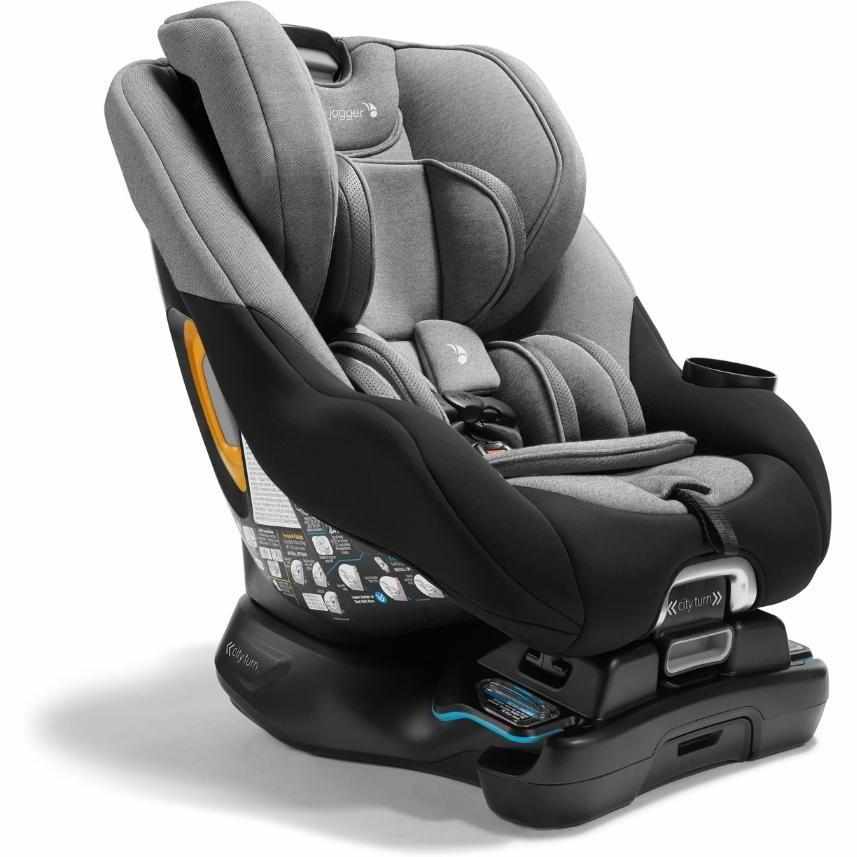
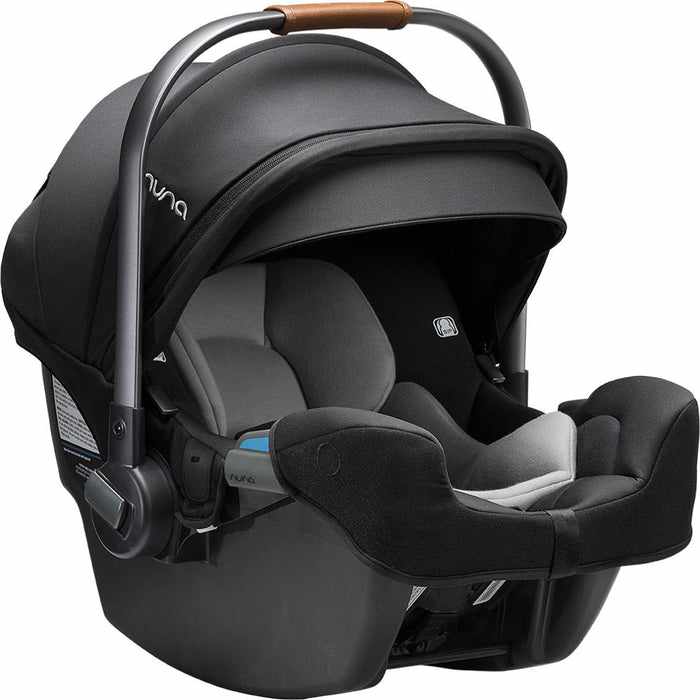
Unlike infant or convertible seats, boosters are designed for older children who no longer need harness systems. They bridge the gap between child seats and regular seat belt use, making them essential for safe travel.
Tips for Installing and Using Booster Seats Correctly
Even the best seat won’t perform well if it’s not used properly. Here are some simple tips:
Always position the lap belt across the upper thighs, not the stomach
Ensure the shoulder belt rests across the chest, not the neck
Keep the booster seat flat on the vehicle seat
Avoid using boosters with only lap belts
Proper use ensures that your child gets maximum protection from the seat.
Local Considerations for Pleasant Hill Families
Families in Pleasant Hill, California often rely on cars for daily transportation. Whether it’s school runs, grocery trips, or weekend outings, a reliable booster seat becomes part of everyday life.
Choosing a seat that is easy to install and move between vehicles can save time and effort for busy parents. Weather conditions and driving patterns should also be considered when selecting materials and design.
Long-Term Value and Durability
A good booster seat should last several years, adapting to your child’s growth. Look for:
Adjustable height settings
Strong frame construction
Washable covers
Manufacturer warranties
Durability ensures that your investment continues to provide value over time.
How Top Manufacturers Influence Quality
Many parents look to trusted brands when choosing booster seats. Some even research top furniture companies in north carolina to understand manufacturing standards and quality benchmarks.
While brand reputation matters, always prioritize safety certifications and user reviews when making a final decision.
Common Mistakes to Avoid
Even careful parents can make mistakes when choosing or using booster seats:
Switching too early from a harness seat
Ignoring height and weight limits
Not checking seat belt positioning
Choosing style over safety
Avoiding these mistakes helps ensure your child’s safety at all times.
Environmental and Material Considerations
Modern parents are increasingly conscious about materials used in children’s products. Many booster seats now feature:
Non-toxic fabrics
Eco-friendly materials
Recyclable components
These options contribute to a safer environment for both children and families.
Travel and Portability Benefits
Booster seats are especially useful for travel. Many models are lightweight and easy to carry, making them ideal for:
Carpooling
Rental cars
Family trips
This flexibility makes them a practical choice for families with active lifestyles.
Final Thoughts
Choosing the right Booster Car Seats is about more than just meeting requirements—it’s about ensuring your child’s safety and comfort every day. With Good Friday 2026 approaching, now is a great time to explore options, compare features, and invest in a reliable solution that supports your family’s needs.
FAQs for Booster Car Seats
1. What is a booster car seat and why is it important?
A booster car seat helps position a vehicle’s seat belt correctly across a child’s chest and lap, improving safety and reducing injury risk during sudden stops or accidents.
2. When should a child start using a booster car seat?
Children usually transition to a booster seat between ages 4 and 7, once they outgrow a forward-facing car seat and meet the minimum height and weight requirements.
3. What are the booster seat laws in Pleasant Hill, California?
In California, children must use a booster seat until they are at least 8 years old or 4 feet 9 inches tall, ensuring the seat belt fits properly.
4. How do I know if my child is ready to stop using a booster seat?
Your child is ready when the seat belt fits correctly without a booster—lap belt across the upper thighs and shoulder belt across the chest, not the neck.
5. Are high-back or backless booster seats better?
High-back boosters provide more support and are ideal for younger children, while backless boosters work well for older kids with proper vehicle headrests.
6. Can booster car seats be used in all vehicles?
Booster seats can be used in most vehicles, but they require a lap and shoulder belt system. They are not safe with lap-only belts.
7. How should a booster car seat be installed correctly?
Most booster seats don’t require complex installation. Place it flat on the seat and ensure the seat belt is routed properly through the guides for a secure fit.
8. Are affordable booster car seats safe for children?
Yes, many affordable options meet safety standards. Always check for proper certification and safety features before purchasing.
9. How long can a booster car seat be used?
A booster seat can be used for several years, depending on your child’s growth and the seat’s height and weight limits.
10. What features should I look for in a booster car seat?
Look for side-impact protection, adjustable headrests, comfortable padding, and easy-to-clean materials to ensure both safety and convenience.


Write a comment ...